
How to Maintain Your Chimney and Fireplace Year-Round
Your chimney is one of those large appliances often left at the bottom of a to-do list. Regulating the safety of your fireplace and keeping up with official standards is the responsibility of both the homeowner and professionals. Maintaining it seasonally requires some practical steps listed below. Chimneys need to be taken care of even if not used that much because they’re important to the overall function of a fireplace.
Chimney Upkeep
You’ll want to maintain your chimney regularly (roughly one or twice a year) and having it in good condition year-round will provide optimal fireplace performance during colder months. Whether in full use or left sitting, a chimney’s ability to provide safe ventilation is due in part to its maintenance.
General Maintenance: Warmer Months
When chimneys aren’t in regular use during warmer months, it’s crucial to maintain your chimney’s inner and outer structural components of these large appliances. Inspection of the inside can be done during spring and summer months as it’s an excellent time to evaluate their condition. Preparing your chimney is key to welcoming the arrival of colder weather in the fall and winter seasons. Included below are some practical steps for general maintenance:
Chimney Sweeps
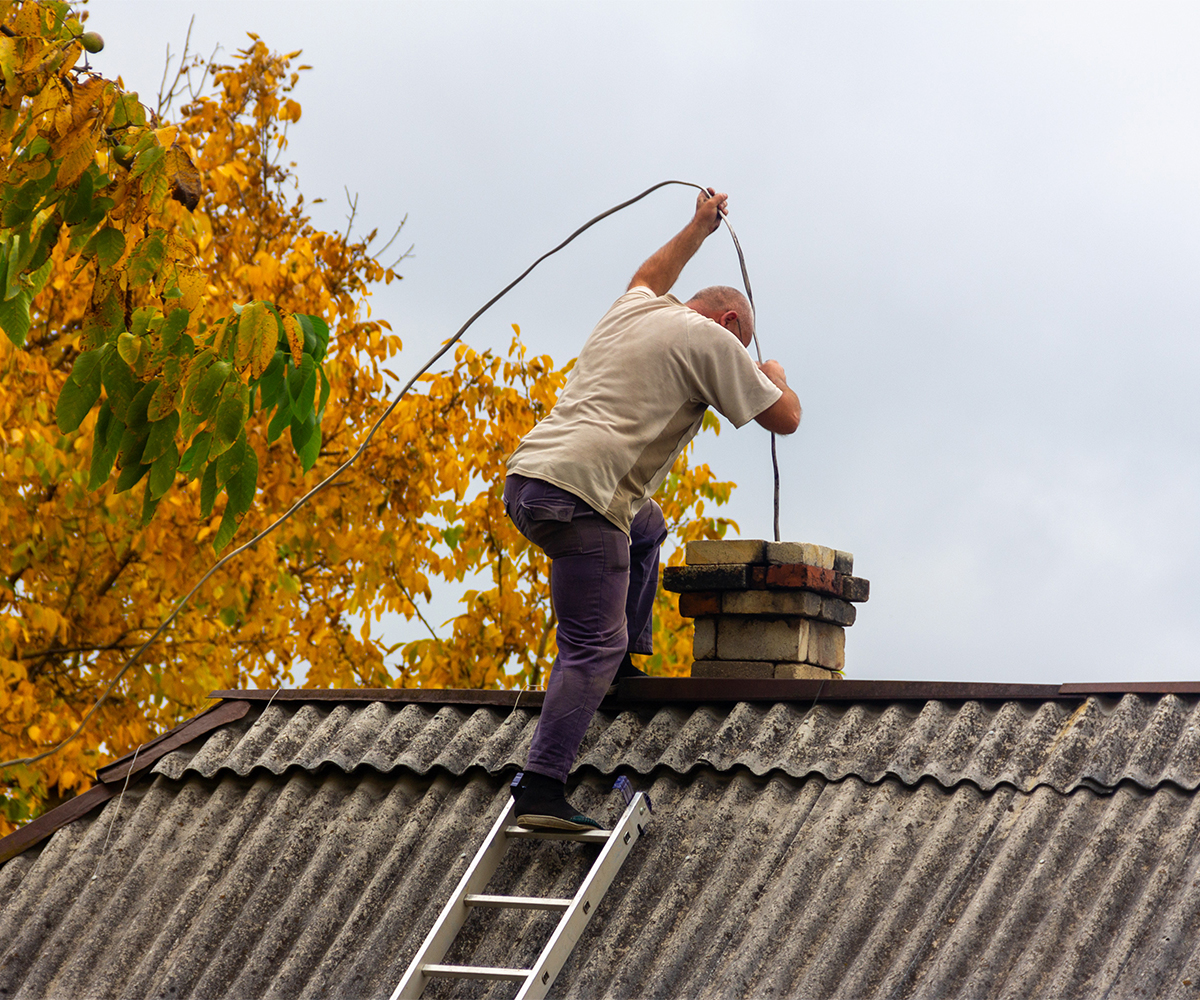
These are annual cleanings that allow your chimney to operate without the danger of unwanted animal nests or flammable buildups like creosote. Dangerous fires and carbon monoxide are some of the potential risks associated with creosote and animal nests. Depending on how frequently you maintain your chimney, it might require an additional sweep during the late Summer or early Fall.
Venting
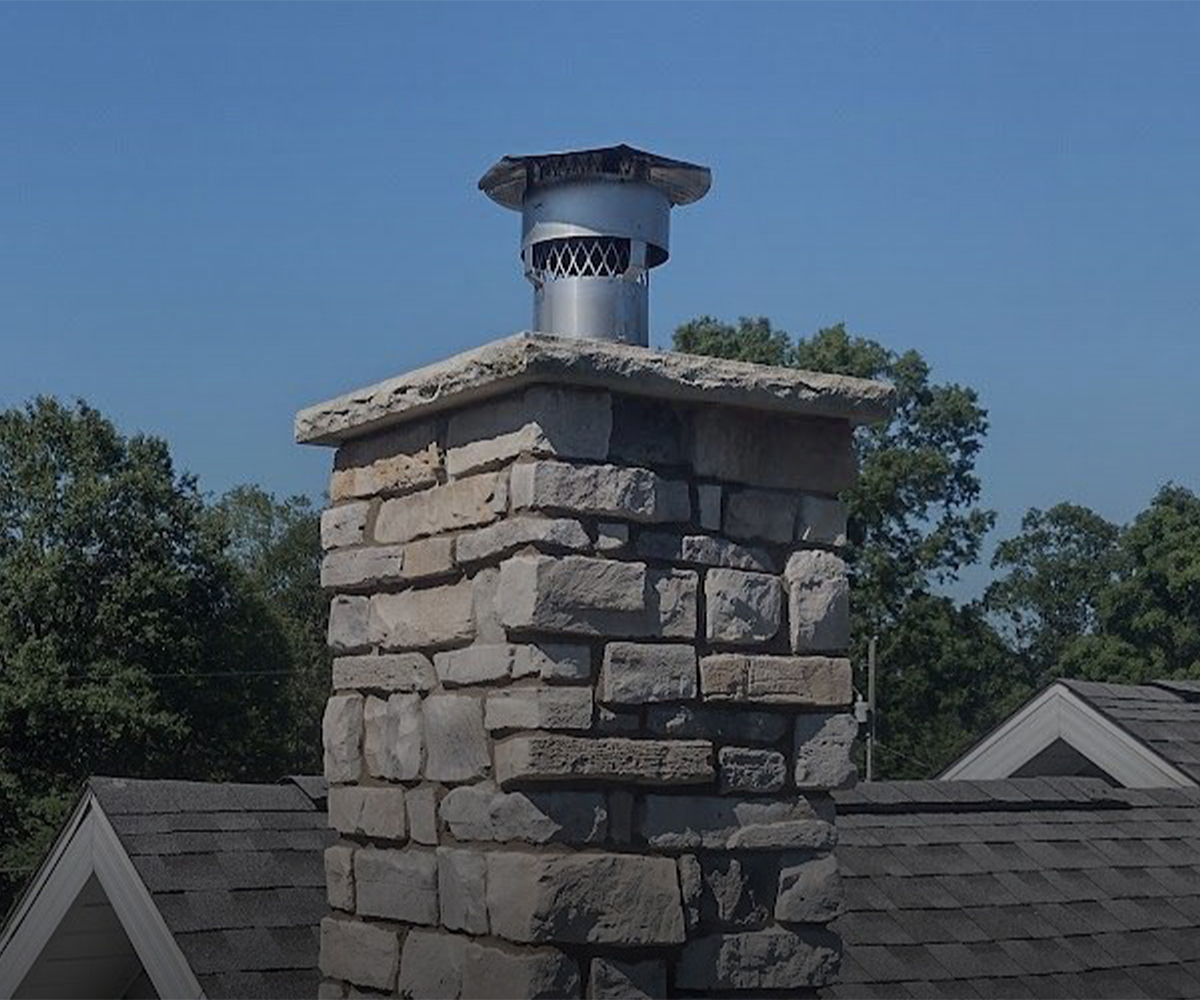
This keeps your chimney in good condition as it eliminates the risk of carbon monoxide poisoning, decreases the chance of a hazardous fire, improves air quality in the home, and provides energy efficiency. Common methods of venting are direct and Class B. Direct-vent uses a single system to pull in combustion air and expel exhaust fumes. Class B venting is a lightweight, double-wall system that relies on natural drafts to expel exhaust fumes.
Relining
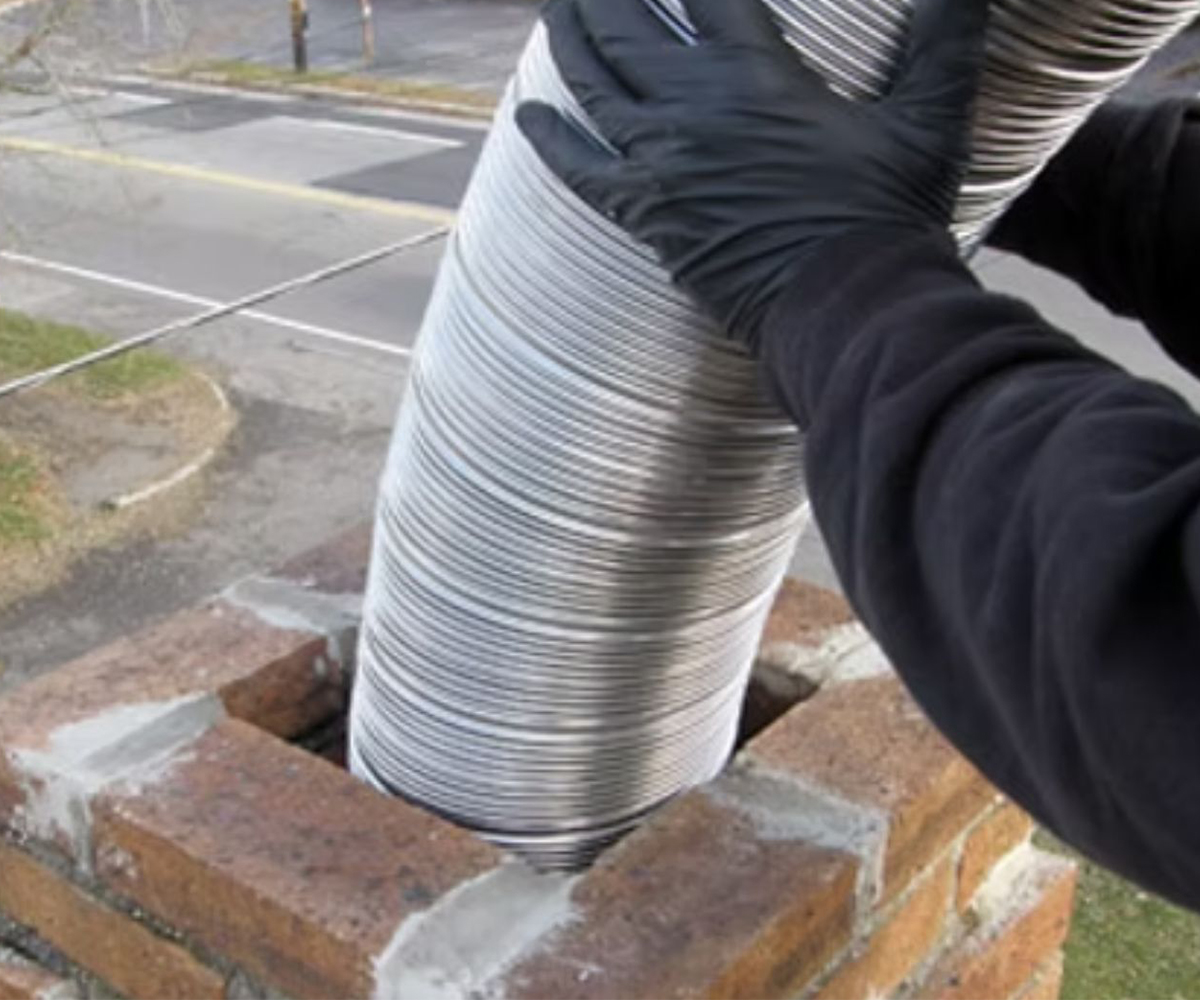
Relining is a method used often for deteriorating chimneys. Flexible liners, wrapped with ceramic insulations, connect to chimneys and seal off at their tops to reduce the risk of dangerous fires.
Chimney Caps
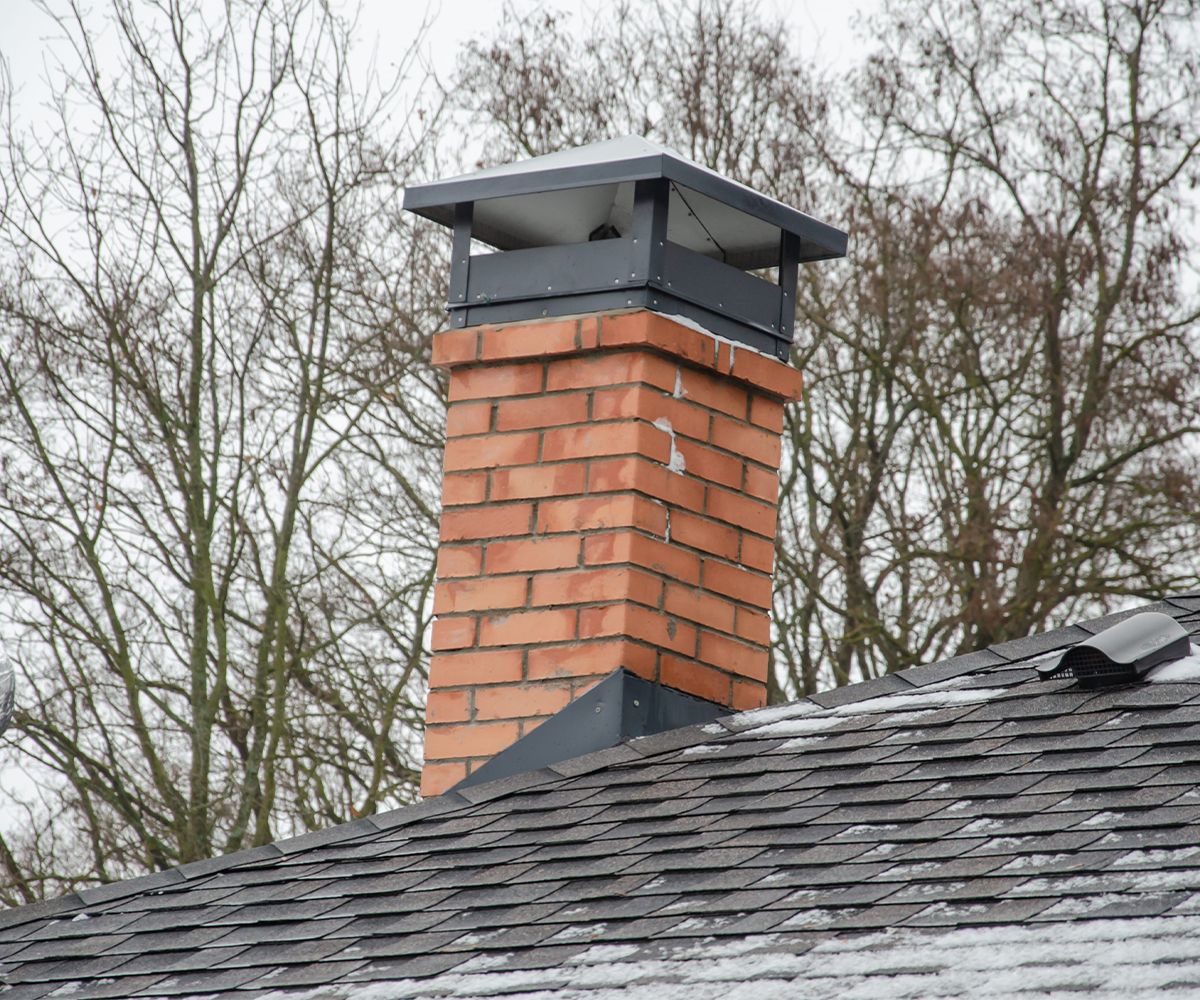
These caps allow proper air flow of unused chimneys by preventing further damage from moisture, pests, and energy loss.
Rebuilding
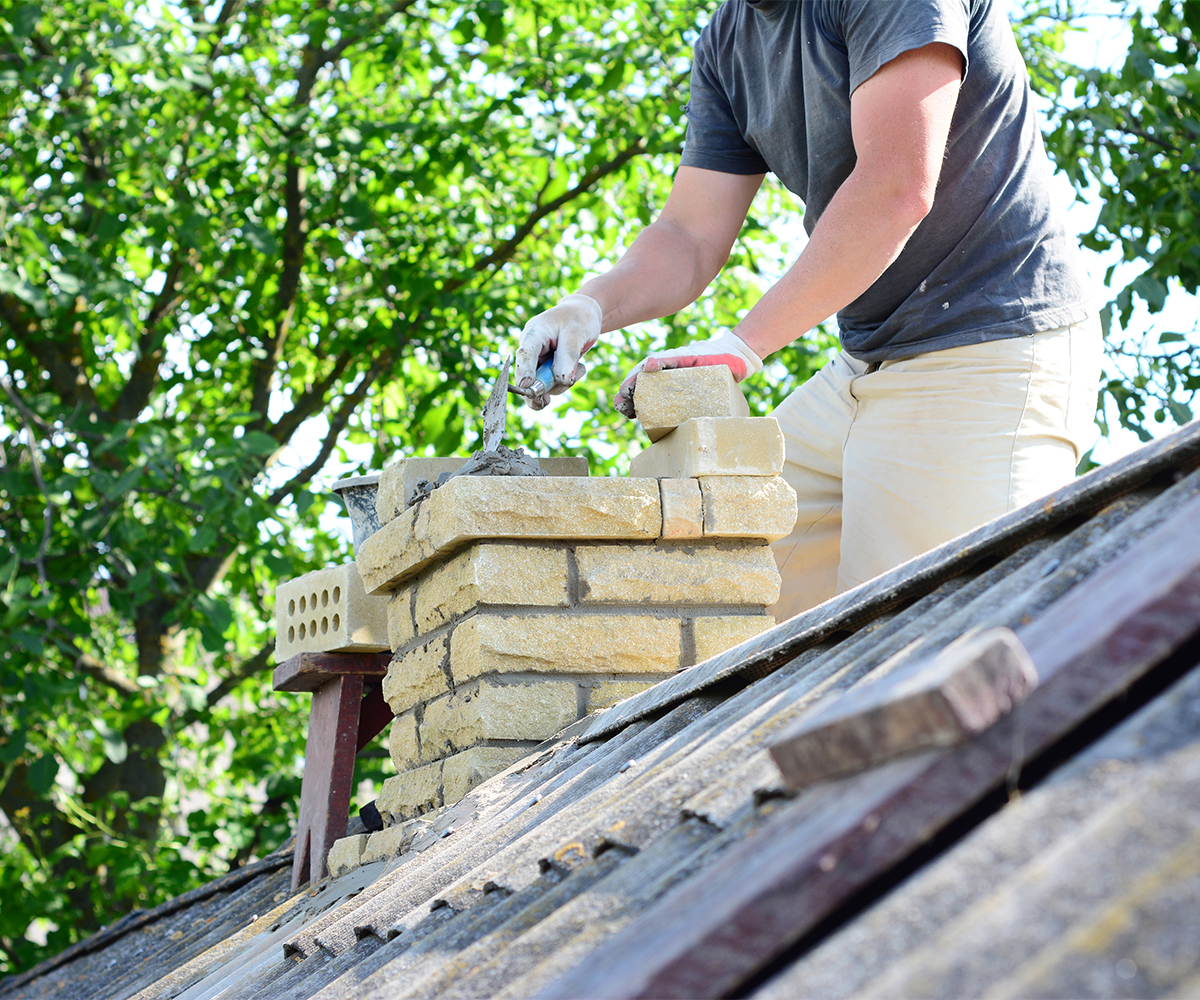
Sometimes, the best thing to do for a fireplace and chimney is to simply rebuild it. This is often considered the last option as there are instances when the chimney does need to be improved significantly and is not safe for continued use.
Care Practices in Heating Season for the Homeowner
While fireplaces operate mostly during colder months, it’s important to maintain your chimney with a year-round routine of cleaning to experience a hassle-free heating season. Caring for your chimney even when the fireplace is at its peak performance ensures smoother and safer operation. Take time to inspect the inside of your chimney for any sort of blockage, such as animal nests, to ensure that smoke is properly ventilated.
Structural concerns and buildup of creosote arise as well. Occasionally look for these signs of damage to avoid potential safety hazards or future problems. If the damage goes beyond the point of regular at-home upkeep, that’s when seeking a professional is recommended. Maintaining a functional space near the hearth during heating season also helps with general maintenance the following months.
Check out our safety blog for more info on hearth care practices.
Involving the Professionals
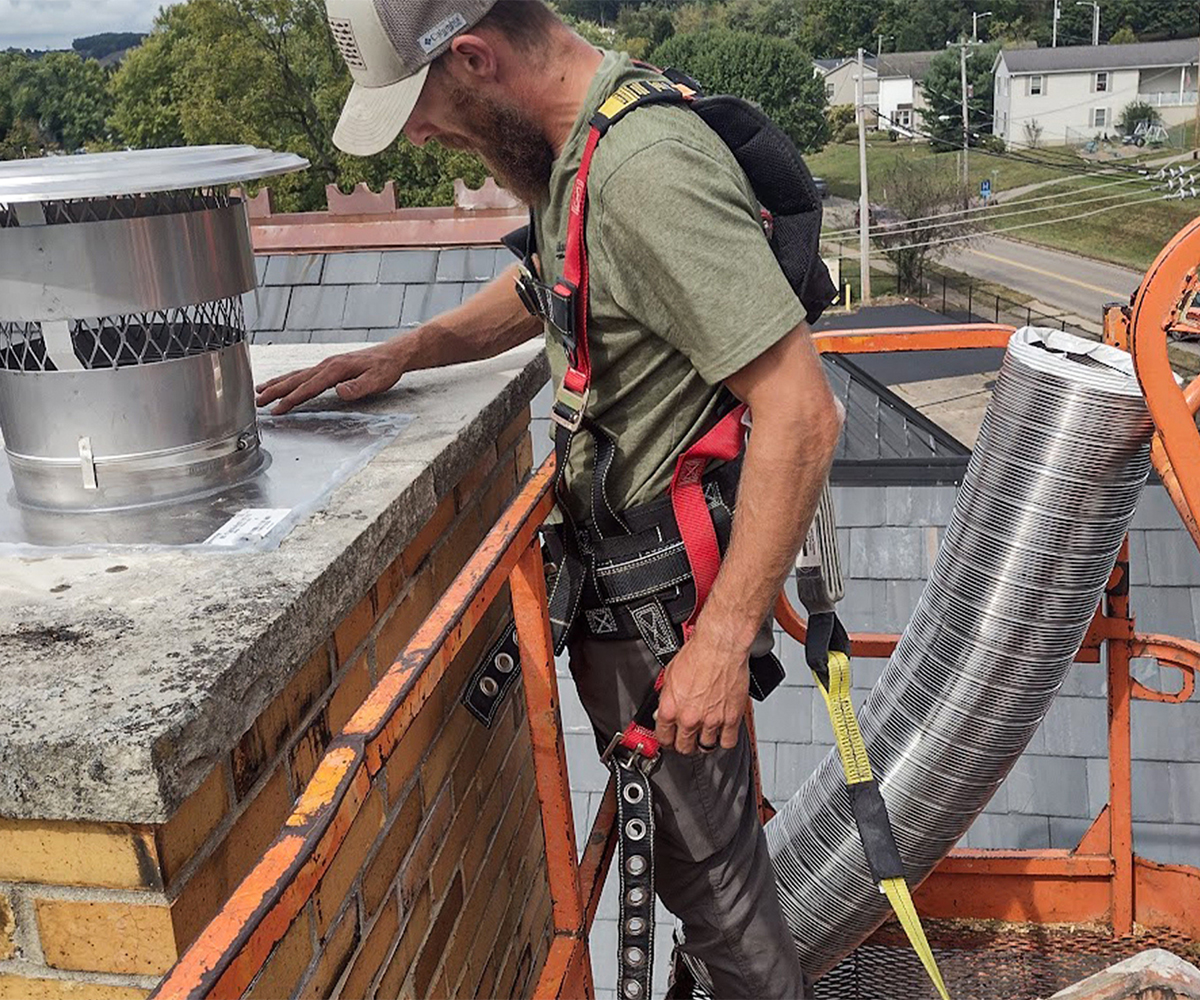
While there’s plenty you can do on your own to maintain your fireplace, there are still things that require a certified specialist. This includes services like:
- Detailed inspection (for areas that are small or hard to access)
- Chimney sweeping
- Hearth rebuilding/New installations
- Masonry
As an Ohio company certified for hearth specialty, Coalway offers several chimney services such as inspections, sweeping, masonry and construction to ensure that your home’s fireplace is at an optimal performance and safety standard. Stop in at our Charm location, or our Apple Creek location if you have any questions.
Booking a consultation over the phone or online is easy. Our Coalway professionals offer their expertise with a safety inspection using Chimspect software to navigate the inside and outside of your chimney. Lastly, we recommend keeping up with the regular maintenance of your chimney by opting into our annual service program which allows for greater peace of mind upon the arrival of winter weather.
Follow this link to begin maintaining your chimney with Coalway today.
Takeaway
Chimneys can be maintained by the homeowner with regular inspection and general cleaning practices. But reach out to certified hearth specialists like Coalway to provide more peace of mind when wondering about your fireplace at heating season. A fireplace adds character to some spaces in the home.
So, making sure your chimney is in excellent shape will guarantee a cozier experience for years to come. Professional maintenance of your chimney requires inspecting it with high-quality cameras and doing repairs or chimney sweeps when necessary. All chimneys need attention and care, whether they’re used often or rarely in use.
Related Posts
Wood, Gas, or Pellet: Choosing the Best Stove for an Ohio Winter
Wood, Gas, or Pellet: Choosing the Best Stove for an Ohio Winter Winters here in Ohio are intense...
Get Ready for the Cold Winter is Coming! The time has come to prepare for the winter months, and...
Special Store Hours & Closing Dates
Closing Dates Stay Up to Date! Both stores will be closed Monday, September 1st for Labor Day. The...
